What is a stablecoin?
A stablecoin is a kind of cryptocurrency that is intended to keep its value steady. Typically, this is accomplished by pegging it to a reserve asset, such as a commodity like gold, a fiat currency like the US dollar, euro, or yen, or occasionally a basket of assets. The objective is to lessen the price volatility that is typical of other cryptocurrencies, such as Ethereum or Bitcoin.
How do Stablecoins Maintain Their Value?
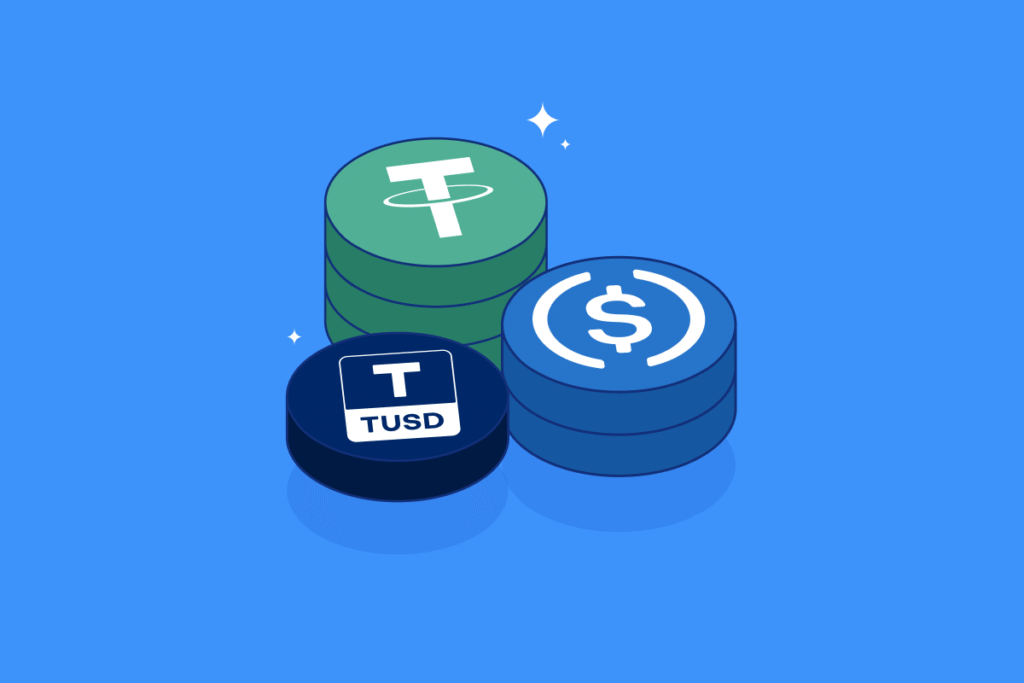
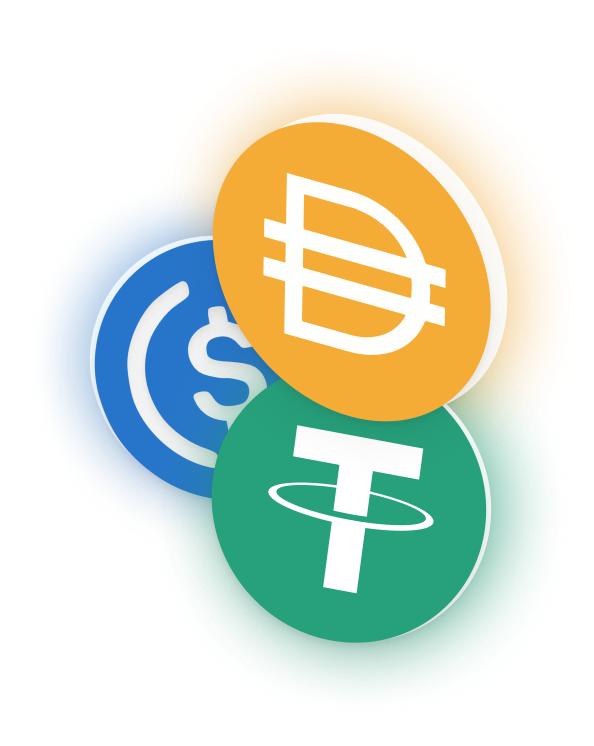
Fiat-collateralised stablecoins are backed 1:1 by reserves of fiat money. For instance, one USDT (Tether) or one USDC should be equivalent to one USD.
Stablecoins backed by other cryptocurrencies that are frequently over-collateralised to account for price swings are known as crypto-collateralised stablecoins. DAI, for instance, is supported by Ethereum and other cryptocurrency assets.
Algorithmic stablecoins, also known as non-collateralised stablecoins, employ smart contracts and algorithms to modify supply and demand in order to sustain a target price without being backed by any assets. As an illustration of the risks associated with this concept, consider TerraUSD, which failed in 2022.
Use Cases
- Trading: Without converting to fiat, traders can enter and exit volatile cryptocurrency positions using stablecoins.
- Payments: Because they are quicker and less expensive than traditional banking transfers, they are helpful for cross-border payments.
- Decentralised finance, or DeFi, is a reliable way to borrow money, lend money, and earn interest.
Pros and Cons
Pros:
- Stability of prices
- Quick and inexpensive transactions
- DeFi market access
Cons:
- dependence on algorithms or reserves
- Risk of centralisation with fiat-backed stablecoins
- Possible regulatory examination
Types of Stablecoins
There are three primary categories of stablecoins, which are cryptocurrencies created to have a steady value. Crypto-collateralised stablecoins use other cryptocurrencies as collateral and rely on smart contracts to guarantee stability (e.g., DAI). Fiat-collateralised stablecoins are backed by conventional currencies like the US dollar (e.g., USDT, USDC). Although they are riskier, algorithmic stablecoins utilise algorithms to regulate supply and maintain price stability rather than being backed by assets.
Is investing in Stablecoins safe?
Because the value of stablecoins is intended to remain constant, investing in them is typically safer than in most other cryptocurrencies. Risks still exist, though, such as reserve problems for fiat-backed currencies, volatility for cryptocurrency-backed coins, and algorithmic failure for non-collateralised stable coins. They are not entirely risk-free, but they are safer.