Coins vs Tokens: The Simple Guide to Crypto’s Key Difference
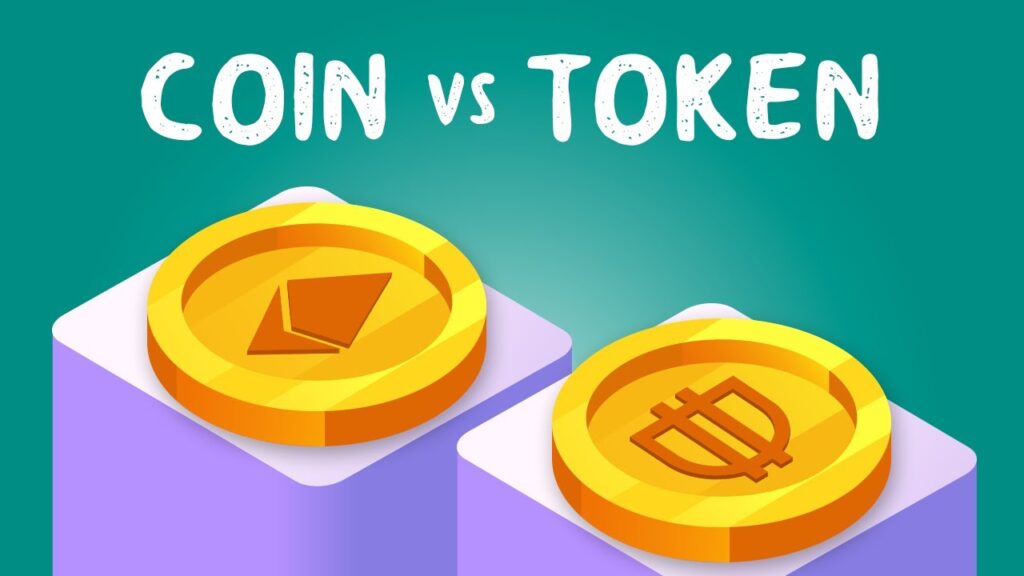
The terms “coin” and “token” may seem synonymous to someone unfamiliar with cryptocurrencies. However, they refer to essentially different kinds of assets in the context of blockchain technology. For any developer, investor, or cryptocurrency enthusiast, understanding the distinction is essential. Let’s examine what makes them unique.
The Core Difference: Native vs Built-On
The simplest way to distinguish them is by their relationship to their blockchain.
- A coin functions on a separate, autonomous blockchain. The most well-known examples are Ether (ETH) on the Ethereum blockchain and Bitcoin (BTC) on the Bitcoin blockchain. These coins are indigenous to their network. They serve as a store of value or a medium of exchange, pay transaction fees, and secure the network through mining or staking.
- A token is constructed on top of an already-existing blockchain. Instead of having its own native chain, it makes use of another’s infrastructure and security. Most tokens are based on Ethereum and adhere to standards such as ERC-20. Other well-known token platforms are Polygon, Solana, and Binance Smart Chain (BEP-20).
Consider it this way: A token is a particular asset or utility that you can use within a country, such as a gift card, a subway ticket, or a property deed, whereas a coin is the country’s native currency, such as the US dollar.
A Deep Dive into Coins
The main function of coins is to serve as a medium of exchange, a store of value, and a unit of value. They serve as their own ecosystem’s fuel.
Key Characteristics:
- Native Blockchain: The blockchains of Bitcoin, Litecoin, and Monero are distinct.
- Mining or Staking: To verify transactions and produce new coins, they employ consensus techniques like Proof-of-Work or Proof-of-Stake.
- Primary Use Case: Paying for network transactions (gas fees) and often serving as a digital currency.
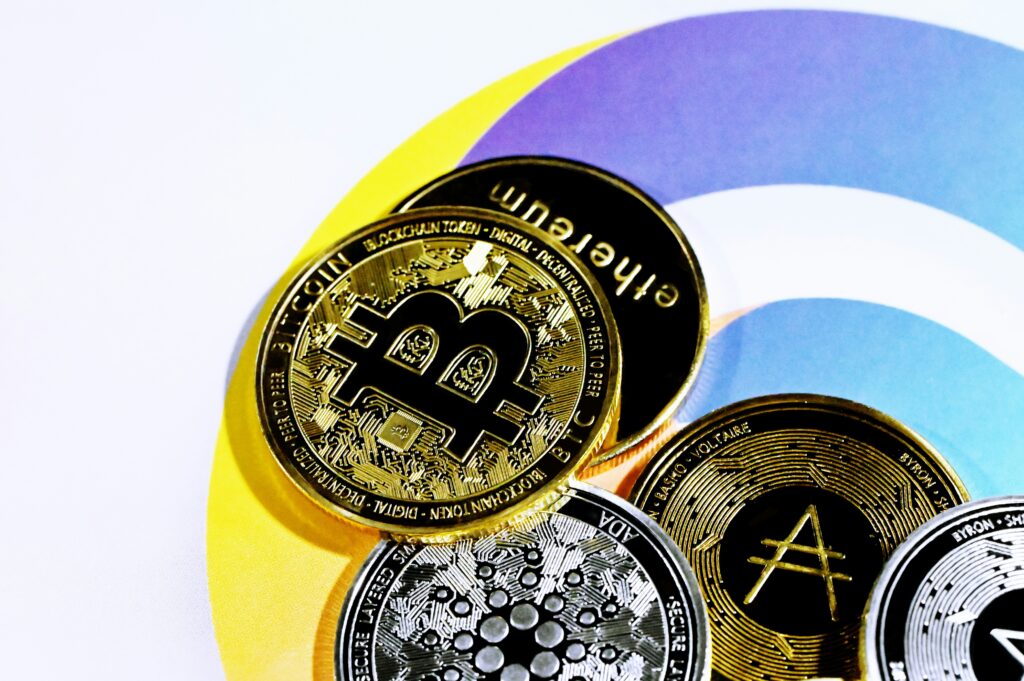
Examples: include Solana (SOL), Cardano (ADA), Ethereum (ETH), and Bitcoin (BTC).
A Deep Dive into Tokens
Purpose: Tokens represent assets or utilities and have a much wider range of functions. They are often used within a specific decentralized application (dApp) or project.
Key Types of Tokens:
- Utility Tokens: Provide access to a product or service within a protocol. (e.g., LINK for Chainlink oracle services, UNI for governing Uniswap).
- Governance Tokens: Give holders voting rights on the future of a protocol—a cornerstone of DeFi and DAOs.
- Security Tokens: Represent digital ownership of a real-world asset (like equity, real estate, or bonds). These are heavily regulated.
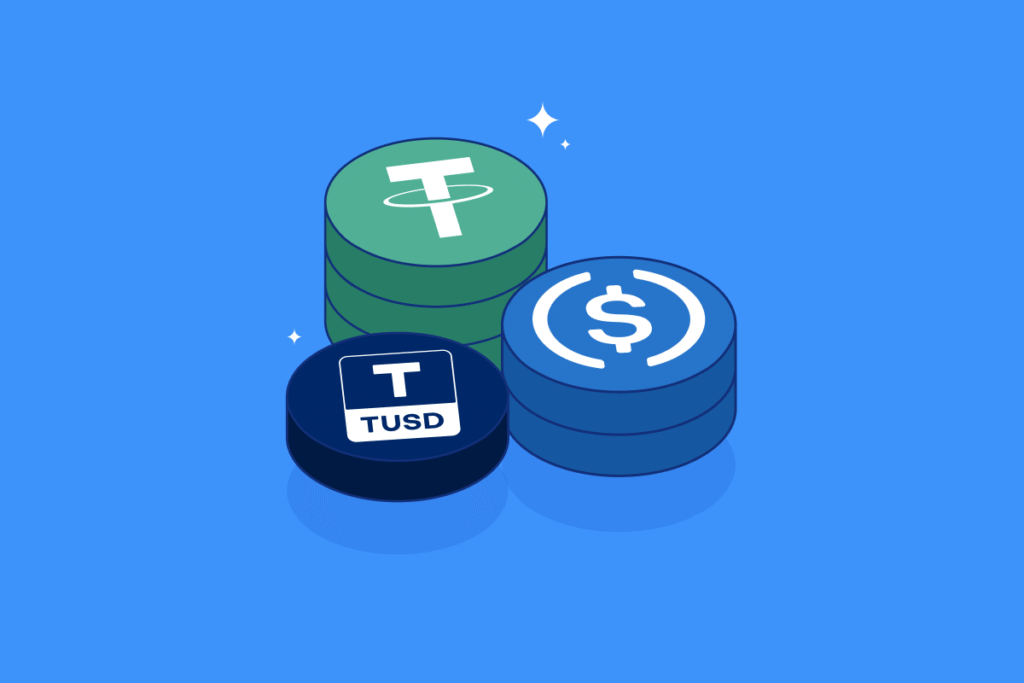
- Stablecoins: Tokens pegged to a stable asset like the US dollar (e.g., USDT, USDC). They are built on other blockchains but maintain a stable value.
- Non-Fungible Tokens (NFTs): Unique tokens that prove ownership of a specific digital or physical item.
Key Characteristics:
- Built on Existing Blockchains: Easy and fast to create using smart contracts.
- Interoperability: ERC-20 tokens can be easily stored in any Ethereum-compatible wallet and traded on DEXs like Uniswap.
- Diverse Functionality: Their use is defined by the smart contract that created them.
Examples: Chainlink (LINK) on Ethereum, Shiba Inu (SHIB) on Ethereum, Serum (SRM) on Solana.
Comparison Table: Coins vs Tokens at a Glance
| Feature | Coin | Token |
|---|---|---|
| Blockchain | Has its own native blockchain | Built on top of an existing blockchain |
| Primary Role | Currency, Store of Value, Pay Fees | Utility, Governance, Asset Representation |
| Creation | Through network consensus (mining/staking) | Via smart contract deployment |
| Examples | Bitcoin (BTC), Litecoin (LTC) | Uniswap (UNI), Tether (USDT), NFTs |
| Interoperability | Limited to its own chain | High within its host ecosystem |
Why This Matters for You
- For investors: It’s important to comprehend what you’re purchasing. The health and uptake of a coin’s entire blockchain are frequently correlated with its value. The success and usefulness of the particular dApp or project that a token powers determine its value.
- For developers: Compared to developing a new coin with its own blockchain, building a token is much simpler. It makes it possible to leverage current security and innovate quickly.
- For Users: You can navigate wallets and exchanges more easily if you understand the differences. Funds will be permanently lost if an ERC-20 token is sent to a Bitcoin address.
The Blurring Line: ETH as Both a Coin and a Utility Token
An ideal example of how boundaries can become hazy is Ethereum’s Ether (ETH). The Ethereum blockchain’s native currency, ETH, is used to cover gas costs. But because Ethereum is the site of so much activity (DeFi, NFTs), it also serves as a crucial utility token in that ecosystem, necessary for interacting with numerous dApps.
Conclusion
While all coins can be considered tokens in a broad sense, not all tokens are coins. Remember:
- Coin = Native Currency of its own blockchain.
- Token = Digital Asset built for a specific purpose on an existing blockchain.
Coins and tokens will interact even more easily as the cryptocurrency ecosystem develops with layer-2 solutions and cross-chain bridges. However, the key distinction between building on top of a blockchain and exercising sovereignty over one continues to be the foundation for astute crypto literacy.
Stay informed, understand what you hold, and navigate the blockchain universe with confidence!
Disclaimer: The information in this article is solely educational. Always do your own research and, depending on your particular circumstances, think about speaking with a security expert. Crypto security procedures change quickly; stay up to date by consulting reliable sources within the blockchain community.
Do you want to stay current on best practices for cryptocurrency security? Get monthly security advice and industry insights delivered straight to your inbox by subscribing to our newsletter.