Liquidity Mining 101: The Beginner’s Guide to Earning Passive Crypto Income
In the decentralized finance (DeFi) ecosystem, liquidity mining has completely changed the way cryptocurrency owners generate passive income. Fundamentally, liquidity mining is the process by which users give their cryptocurrency assets to lending protocols or decentralized exchanges (DEXs) in exchange for benefits, usually in the form of transaction fees and governance tokens.
Liquidity mining enables anyone with cryptocurrency assets to take part in the DeFi economy and earn appealing yields, in contrast to traditional mining, which necessitates pricey hardware and technical know-how.
How Does Liquidity Mining Work?
The Basic Mechanics
By placing your tokens into a liquidity pool, you become a “liquidity provider” (LP) when you engage in liquidity mining. These pools enable users to trade between various cryptocurrencies on decentralized exchanges like Uniswap, PancakeSwap, or SushiSwap.
In return for providing liquidity, you receive:
- LP Tokens: Representing your share of the pool
- Trading Fees: A percentage of all trades made using your liquidity
- Additional Tokens: Often, the platform’s native governance token is used as an incentive
The Role of Automated Market Makers (AMMs)
The majority of liquidity mining is done through AMMs, which calculate asset prices algorithmically rather than using conventional order books using mathematical formulas (such as the constant product formula x*y=k). Decentralized trading is made feasible and profitable for liquidity providers by this innovation.
Benefits of Liquidity Mining
1. Passive Income Generation
Get steady returns that frequently outperform many other cryptocurrency investment strategies and conventional savings accounts.
2. Governance Rights
Numerous platforms offer governance tokens to liquidity providers, allowing you to influence the protocol’s future growth and course.
3. Early Access to Projects
Exposure to promising new tokens prior to their release on major exchanges is frequently provided by liquidity mining.
4. Diversification
To spread risk and maximize potential returns, engage in a variety of protocols and chains.
Key Risks and Considerations
Impermanent Loss
The biggest risk in liquidity mining is when your paired assets’ price ratio drastically shifts from when you first deposited them. As a result, you may receive fewer assets upon withdrawal than if you had just kept them.
Smart Contract Risk
Smart contracts, the foundation of DeFi protocols, may have flaws. Liquidity providers have suffered large losses as a result of major exploits and hacks.
Regulatory Uncertainty
DeFi and liquidity mining regulations are still changing, which could have an effect on yields and accessibility.
Token Volatility
Extreme price volatility for reward tokens could reduce the value of your earnings.
Getting Started with Liquidity Mining: A Step-by-Step Guide
1. Choose Your Platform
- Ethereum Network: Uniswap, SushiSwap, Curve (higher fees but established)
- Binance Smart Chain: PancakeSwap, Venus (lower fees, centralized)
- Polygon: QuickSwap, SushiSwap (Ethereum-compatible with lower fees)
- Solana: Raydium, Orca (high speed, growing ecosystem)
2. Select Your Asset Pairs
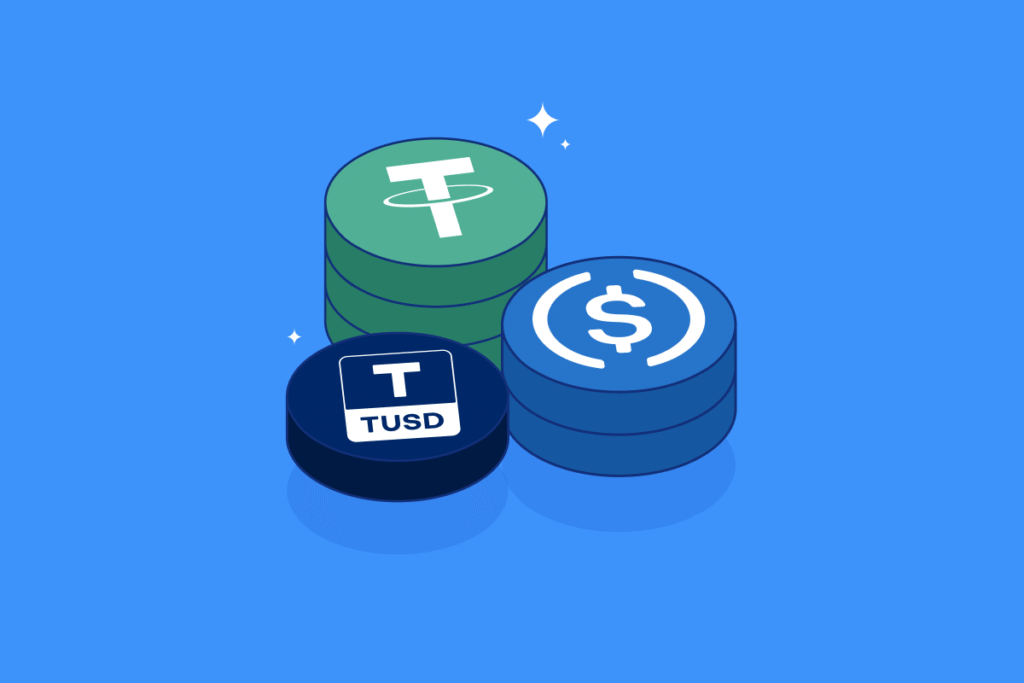
- Stablecoin pairs (USDT/USDC): Lower risk, lower returns
- Volatile pairs (ETH/BTC): Higher risk, potentially higher returns
- Consider correlation to minimize impermanent loss
3. Connect Your Wallet
Use a non-custodial wallet like MetaMask, Trust Wallet, or Phantom to interact with DeFi protocols.
4. Deposit and Monitor
Provide liquidity and track your position using portfolio managers like DeBank or Zapper.
Advanced Strategies for Maximizing Returns
Yield Farming Aggregators
Platforms like Yearn Finance automate the process of moving funds between the highest-yielding protocols.
Layer 2 Solutions
Utilize Arbitrum, Optimism, or Polygon to reduce gas fees while accessing Ethereum-based protocols.
Multi-Chain Diversification
Spread liquidity across different blockchains to capture opportunities and mitigate chain-specific risks.
Impermanent Loss Protection
Some newer protocols like Bancor offer protection against impermanent loss, though often with trade-offs.
Top Liquidity Mining Platforms in 2025
- Uniswap V3: Offers concentrated liquidity for efficient capital deployment
- Curve Finance: Focused on trading stablecoins with low slippage
- PancakeSwap: A leading BSC platform offering a variety of farming options
- Trader Joe: Avalanche’s top platform with cutting-edge features
- Balancer: Enables multiple asset pools and unique pool configurations
Future Trends in Liquidity Mining
Cross-Chain Liquidity Mining
Protocols like Thorchain enable liquidity provisioning across different blockchains without wrapping assets.
Smart Yield Strategies
AI-driven platforms are emerging to automatically optimize liquidity provision across multiple protocols.
Regulatory-Compliant DeFi
Expect more KYC/AML-integrated platforms as regulations evolve.
Institutional Participation
Growing institutional interest is bringing more sophisticated risk management tools to the space.
Conclusion: Is Liquidity Mining a good fit for you?
For cryptocurrency investors who are prepared to handle its complexity, liquidity mining offers thrilling opportunities. Despite the substantial potential benefits, successful participation necessitates thorough investigation, risk control, and continuous observation.
Start small, be aware of the risks, diversify across protocols, and never use money you can’t afford to lose to provide liquidity. Liquidity mining will probably become more secure and accessible as the DeFi industry develops, which could change the way we think about making money from digital assets.
Disclaimer: This information is not financial advice; rather, it is intended solely for educational purposes. Investing in cryptocurrencies is extremely risky and volatile. When making investment decisions, always do your own research and think about speaking with a financial advisor.
Are you prepared to learn more about DeFi tactics? For weekly insights, sign up for our newsletter. For more sophisticated methods, see our guide on impermanent loss protection.